
Due Process and Camera Tickets: Why the Rules Change When a Machine Accuses You
Due process is the constitutional promise that the government must follow fair, transparent procedures before it can penalize you. In a traditional traffic stop, that promise is straightforward: an officer observes an alleged violation, identifies the driver, and can be questioned about what they saw. Evidence is presented by a human being who can be cross‑examined, challenged, or contradicted.
Camera tickets flip that model on its head.
When a machine issues the accusation, the government quietly rewrites the rules. Legislatures classify camera tickets as civil infractions, not criminal offenses, which allows them to bypass the constitutional protections that normally apply when the state accuses someone of wrongdoing. The right to confront a witness becomes irrelevant because there is no witness—only a vendor‑operated device and a pre‑generated packet of hearsay.
This is where due process begins to erode. The city relies on automated evidence that no human observed, authenticated, or verified. The vendor’s employee who maintains the system rarely appears in court. The officer who “reviews” the citation typically never witnessed the event. And the burden quietly shifts: instead of the government proving you committed the violation, you are pushed to prove you didn’t.
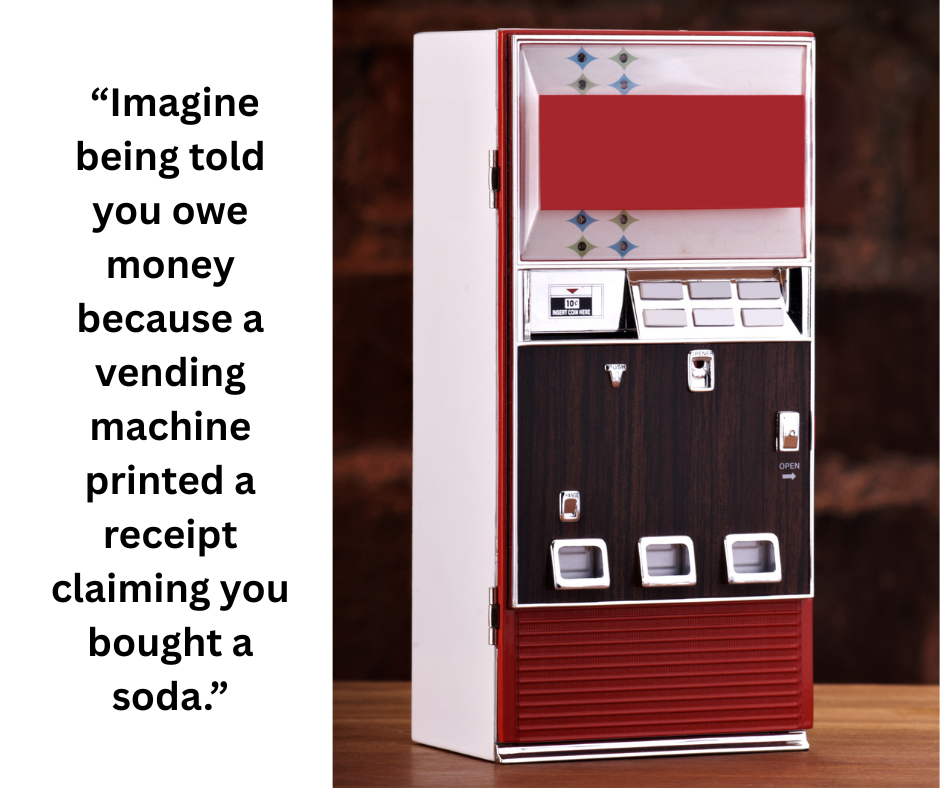
Imagine being told you owe money because a vending machine printed a receipt claiming you bought a soda. No clerk saw you. No camera recorded you. The machine simply generated a slip of paper, and the company insists it must be correct. If you want to contest it, you must take time off work, file paperwork, and argue with someone who wasn’t there either. Most people would just pay the $2 and move on.
Camera enforcement works the same way—only the stakes are higher, and the constitutional shortcuts are far more serious.
Fortunately, vehicle owners can use a service like Camera Ticket Dismissal that helps customers make the right arguments the right way.